Dog on a Hot Tin Roof

Gassie on the car roof

Gassie on the car roof

Gassie the rescue Setter has always been a bit of a climber, but today he really excelled himself. The car is parked under some pine trees and there are tiny young birds hopping temptingly in the very high branches above.

So what better way to get a good view than to get on the car roof?

Gotta love him!

How Many Pets Are There in Italy?

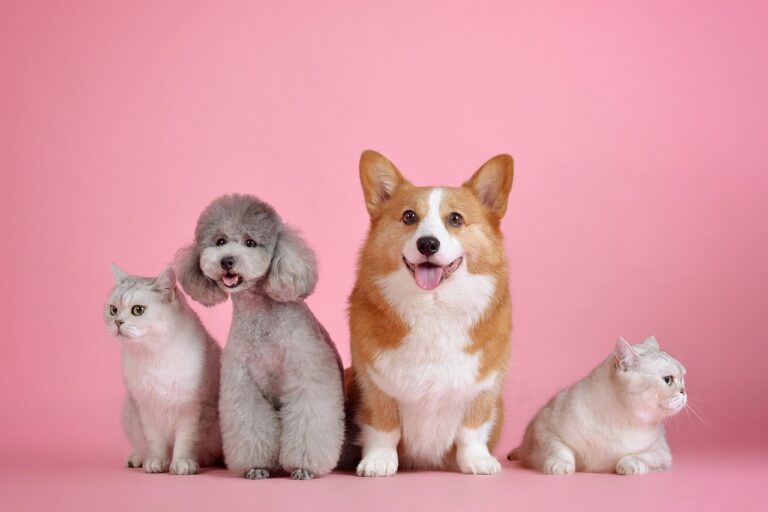
pets in Italy

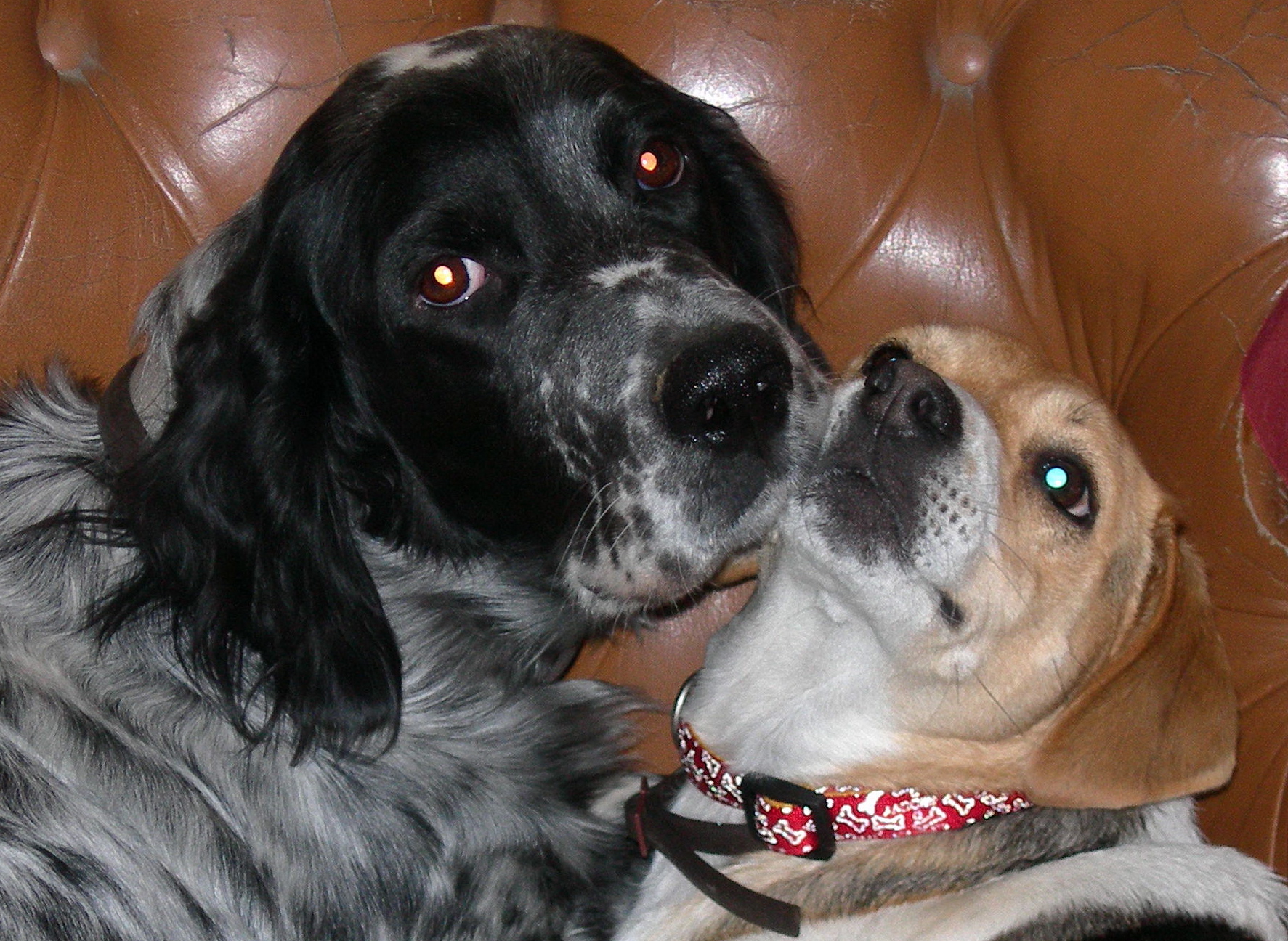
ZsaZsa, Maia and Jimmy

I just had an email from someone asking me how many pets there are in Italy. This intrigued me as although I’ve recently posted about the Italian pet owning statistics published earlier this year, I didn’t recall reading any pet numbers in that.

Anyway, I did a quick google search in Italian and there appear to be between 44 million and 45 million domestic pets in Italy. (Source Eurispes, 2012)

As the population of Italy is around 60 million, that means many families have more than one pet, because the survey showed 55 percent of Italian families own at least one pet.

My Alpacas in Italy

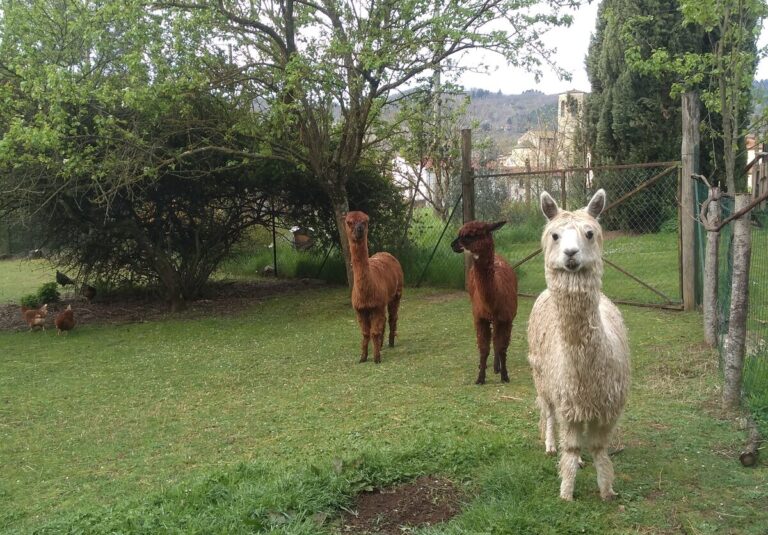
My alpacas in ItalyWell, I am now the very proud owner of four beautiful female alpacas. Their names are Nicola, Emilia, Champagne and Diana. Two are huacayas (the teddy bear kind) and two are suri (the dreadlock-haired kind). They arrived almost three weeks ago and have already changed my life in the best way!

The three white ones are all pregnant and their cria (baby alpacas) will arrive from the end of August onwards so I am in for a busy autumn.

I have wanted alpacas since reading an article about them in a UK magazine and although our first house in Umbria wasn’t big enough to accommodate them, the land we have now is just about Ok, so has all been fenced and a three sided shelter added.

I have got a new website for this venture so check it out: www.lavignaalpacas.com

Pet Ownership in Italy on Increase Despite Crisis

According to a 2013 survey by Eurispes, the Italian Institute of Political,Social and Economic Studies, the country’s economic woes have not taken their toll on the nation’s pets. In actual fact there has been a rise in pet ownership. Over 55 percent of Italian families now have at least one pet, up 13 percent on last year.

Dogs remain the most popular pet with over 55 percent of Italian pet owners having at least one, while cats insinuate their way into second place, as only cats can, at just under 50 percent.

Of course it’s one thing owning a pet and quite another to take good care of it, but it appears that Italian pet lovers are prepared to splash their cash on their four-legged friends. While just under half
pet owners spend at least 30 euros a month on them, a third spend between 30 and 50 euros a month and 13 percent between 51 and 100 euros. Just under five percent spent up to 200 euros a month, 0.7 percent spent up to 300 euros and 1.14 percent over 300 euros. Wow – would like to be a fly on that pet’s wall!

If my pet food bill is any thing to go by this is a large proportion of the budget. Over half of Italian pet owners manage on under 30 euros a month. About a third spend 50 euros a month and 15 percent spend up to 300 euros on food per month.

Vet fees and medicines have a relatively low annual spend, perhaps this reflects on lower vet fees, or that people just take them less – another consideration is the lack of insurance policies here to cover
vet fees. Every year the majority (63 percent) of pet owners spend less than 100 euros on vets fees and medicine, while just under a quarter spend up to 200 euros. Some 7 percent spend up to 300 euro
and an unfortunate 4.2 percent even more than that.

When it comes to grooming and toiletry stuff, most owners do it themselves (65 percent) while 34 percent call in the specialists. Almost a fifth pay up to 50 euro a year, but for a little over 2 percent of owners the bill can be more than 150 euro. What are they doing, I wonder? Giving Fido manicures?

Looking at accessories (collars, coats and so on) just under 35 percent spend up to 50 euro a year, the majority (55 percent) less than that, but there are also those who spend up to 150 euros a year.


The Top 5 UK Dog Breeds

Guest Post by Mark Krakov

The popularity of various dog breeds varies from year to year, much like clothing fashions go out of vogue, only to return a year or two later. The general trend in dog breeds has seen the ascent in popularity of so-called ‘ugly’ breeds, those with unusual and distinctive faces, wrinkles or particularly squashed noses and hairless varieties too. The interest in the hairless dogs tends to come from people with allergies or asthma – hairless dogs are fairly safe for those with breathing difficulties. The more exotic breeds tend to be on an upward trend as they are so unusual looking and are seen as a status symbol. However, these breeds, while on the increase, are still relatively rare.

Labrador

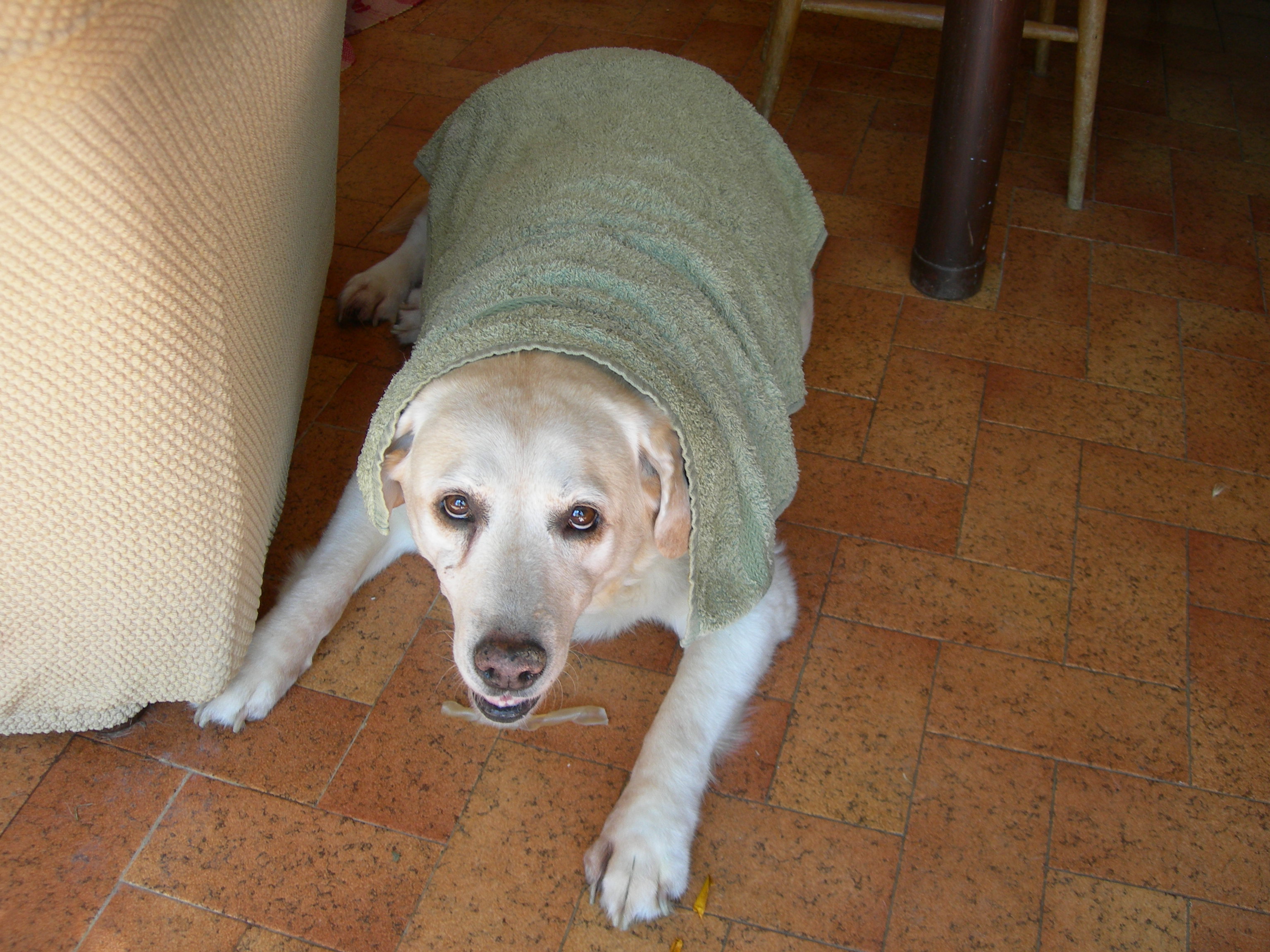
The faithful Labrador has led the popularity polls for at least the last 22 years, in the UK, USA and much of the world! Their popularity is still growing and they saw an increase of 31 per cent in a recent poll. They are divided into two subsets, the American Labrador and the English Labrador, although there is not a great deal of difference between them. Labradors come in three colours, yellow, chocolate or black and have unique, easily recognised form. They are friendly dogs who love to play and will make sure that they are included in any family events.

Cocker Spaniel

These lovely little dogs are friendly and love to play and interact with their humans. Lady, from the Walt Disney Movie ‘Lady and the Tramp’ was a cocker spaniel and they are indeed, very attractive looking dogs with long ears covered in wavy hair and large soulful eyes. They come in a variety of colours but the two most predominant are golden or black. Spaniels are very intelligent and can fall prey to behavioural issues if not properly socialised and trained. They need plenty of exercise and attention, and repay this with warm affection and companionship. Their popularity is gaining too and the cocker spaniel enjoyed a massive 87 per cent increase in popularity!

English Springer Spaniel

The springer spaniel is related to the cocker spaniel, indeed the two breeds were created by separating out larger pups from the smaller and cross-breeding for size. The end result is a medium-small dog with rather long legs, compared to the more compact cocker spaniel. Springer spaniels are affectionate dogs, good in a family environment and eager to please their owners. The breed is known for occasional instances of ‘rage disorder’ a condition believed to be similar to epilepsy which causes the dog to behave aggressively for a short time, before reverting to his or her usual sunny temperament. The dog does not seem to be aware of the episode and will happily greet the person or people it had previously been reacting badly to. This condition is triggered in certain circumstances, for example, by strangers approaching and startling the dog out of sleep. Fortunately the condition is rare, and has not lowered the popularity of these dogs in any way, as they have seen an increase in popularity of 18 per cent over previous years.

German Shepherd

The German shepherd, or Alsatian, has seen a small drop in popularity, possibly as people turn to the more exotic dogs for companions and to breeds like the impressive Rottweiler or Doberman pinscher for security reasons. German shepherds have been widely used for police and security work as they are intelligent, hardworking, intensely loyal as well as being strong and aggressive enough to control an intruder. They are large dogs with distinctive pointed noses, thick soft fur and bushy tails. They are predisposed to hip problems, amongst some other issues, and breeders often will have puppies and the parents tested to see if these genetic issues are going to appear. The colouring is generally reddish or tan with a black saddle and black touches here and there, but it is possible to get a dog that is practically black all over. German shepherds have been found to be the most intelligent dog breed and they crave stimulation and do not do well if left to their own devices for long periods of time.

Staffordshire Bull Terrier

These stocky dogs are immensely strong with broad thick skulls – a fact brought painfully home to any unwary soul bending over to greet one at the same time the dog is jumping up to say hello! They are cheerful, energetic animals who live life at full throttle! Staffordshire bull terriers, or Staffies as they are affectionately known, need plenty of exercise to burn off their energy. They must be trained in obedience as they can have behavioural issues if allowed to get away with poor behaviours. Staffies have broad heads and wide mouths that can give the impression of a huge friendly grin as they look at you. Their jaws are very powerful and as puppies they tend to chew a lot – the purchase of plenty of tough chew toys can be the saviour of furniture, shoes and precious possessions! Staffordshire bull terriers are tremendously friendly, welcoming of strangers and very well behaved with children.

These are just the top five most popular dog breeds, there are many others, ranging from the mere handful that is a miniature Yorkshire terrier to the immensity of a shaggy Newfoundland or mastiff. Whichever breed you choose as your life companion, be sure that you take out dog insurance to keep your best friend covered against the risk of illness or injury. A lifetime of unconditional love deserves the best that you can afford! Don’t wait for the sake of your pet’s welfare, check out trustable sources like RSPCA pet insurance now.